
How We Guide NY & NJ Nonprofit Founders During Formation
At Abelaj Law, PC, we help founders and boards build their tax-exempt organizations on solid legal ground. This page offers an overview of how we support founders and boards through formation.
Starting a nonprofit is not just a paperwork exercise: it’s the process of turning your mission into a functioning organization.
A nonprofit’s formation documents represent a series of crucial structural decisions that shape its operations, governance, and reputation over time.
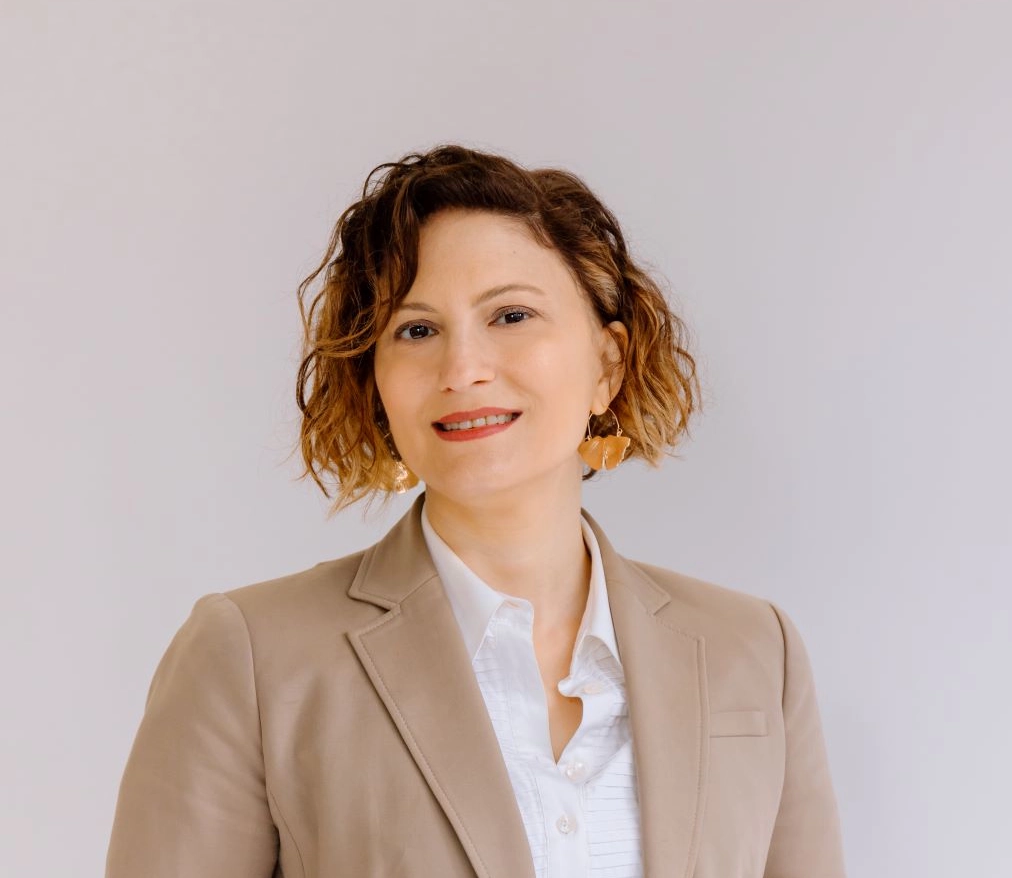
Our founder Jennifer V. Abelaj is both an attorney and a CPA. Her unique background allows her to partner with founders and boards to form nonprofits built to support robust fundraising, smooth operations, and future growth.
What We Do

Abelaj Law, P.C. advises clients through every stage of starting and operating a nonprofit in New York and New Jersey.
This work commonly includes helping founders determine the appropriate tax-exempt classification, creating the initial corporate entity, drafting bylaws and required governance policies, preparing for the initial board meeting, and securing tax-exempt recognition.
The goal is not just “compliance,” but a governance framework that supports your mission and reduces preventable disruptions. We’re also here to help established organizations as they grow and change.
Who This Work Is For
In the context of formation, our clients are often:
Founders Passionate about their Charitable Mission
Families or Donors Establishing a Nonprofit to Administer Long-Term Charitable Giving

Whether you’re just getting started or are in the final stages of preparing your tax-exempt application, we can help you create a structure that supports your mission.
Questions about forming or structuring a nonprofit?
Our Approach to Counseling Clients on Nonprofit Formation and Governance
Most nonprofit issues can be traced back to foundational decisions. We focus on those decisions at the outset, because there’s no single “right” structure or roadmap: it all depends on who you are and what you are trying to accomplish.
Step One: Learn and Articulate Your “Why”
Every nonprofit must have a clearly identified charitable purpose: its goal, how it carries our activities, and who should benefit from those activities. This purpose is formalized in a narrative statement as part of your application for tax-exemption.
Even after you receive tax-exempt status, this narrative – your “why” – matters more than most founders expect. For example, if your future activities deviate from a narrowly written narrative, the IRS can suspend or revoke your tax-exempt status at any time.

Step One: Learn and Articulate Your “Why”
Every nonprofit must have a clearly identified charitable purpose: its goal, how it carries our activities, and who should benefit from those activities. This purpose is formalized in a narrative statement as part of your application for tax-exemption.
Even after you receive tax-exempt status, this narrative – your “why” – matters more than most founders expect. For example, if your future activities deviate from a narrowly written narrative, the IRS can suspend or revoke your tax-exempt status at any time.
Summary of Key Services for Starting a NY/NJ Nonprofit
- “Getting started” planning: charitable purpose, structure, and classification strategy
- Incorporation / formation of the entity
- Drafting initial bylaws and conflict of interest policy
- Preparing for and documenting the initial meeting
- Federal tax-exemption applications and supporting exhibits
- State charity filings and guidance on early compliance steps
- Ongoing governance counsel as the organization grows or pivots
Step Two: Choosing Your Board Carefully
In New York State, nonprofits are required to have at least three directors that are independent of each other. This requirement is based on federal laws designed to ensure decisions are made in the organization’s best interest and not based on family relationships or loyalties.
We help our clients think through every aspect of board composition, including how many people should serve, how often the nonprofit will hold elections, and each board member’s roles and responsibilities.
Our process also helps you align everyone’s expectations before problems arise.


Step Three: Write Bylaws That Protect the Nonprofit
Bylaws are the nonprofit’s primary governing document. Some people think of them as a kind of constitution because they dictate how the organization must be governed, for example:
- What the board can and cannot do
- Whether the organization will have non-board members, and if so, what authority they have through voting or other mechanisms
- How the board should address and resolve disputes or decision-making deadlocks
Bylaws can also directly impact your fundraising: banks, landlords, funders, and other third parties may review them to assess how responsibly the organization is managed.
We draft bylaws with two priorities in mind:
They must satisfy legal requirements under state and federal law
We also assist with required and advisable policies, including New York’s required conflict of interest policies. These policies play a central role in nonprofit compliance and credibility.
Step Four: Secure Tax-Exempt Recognition
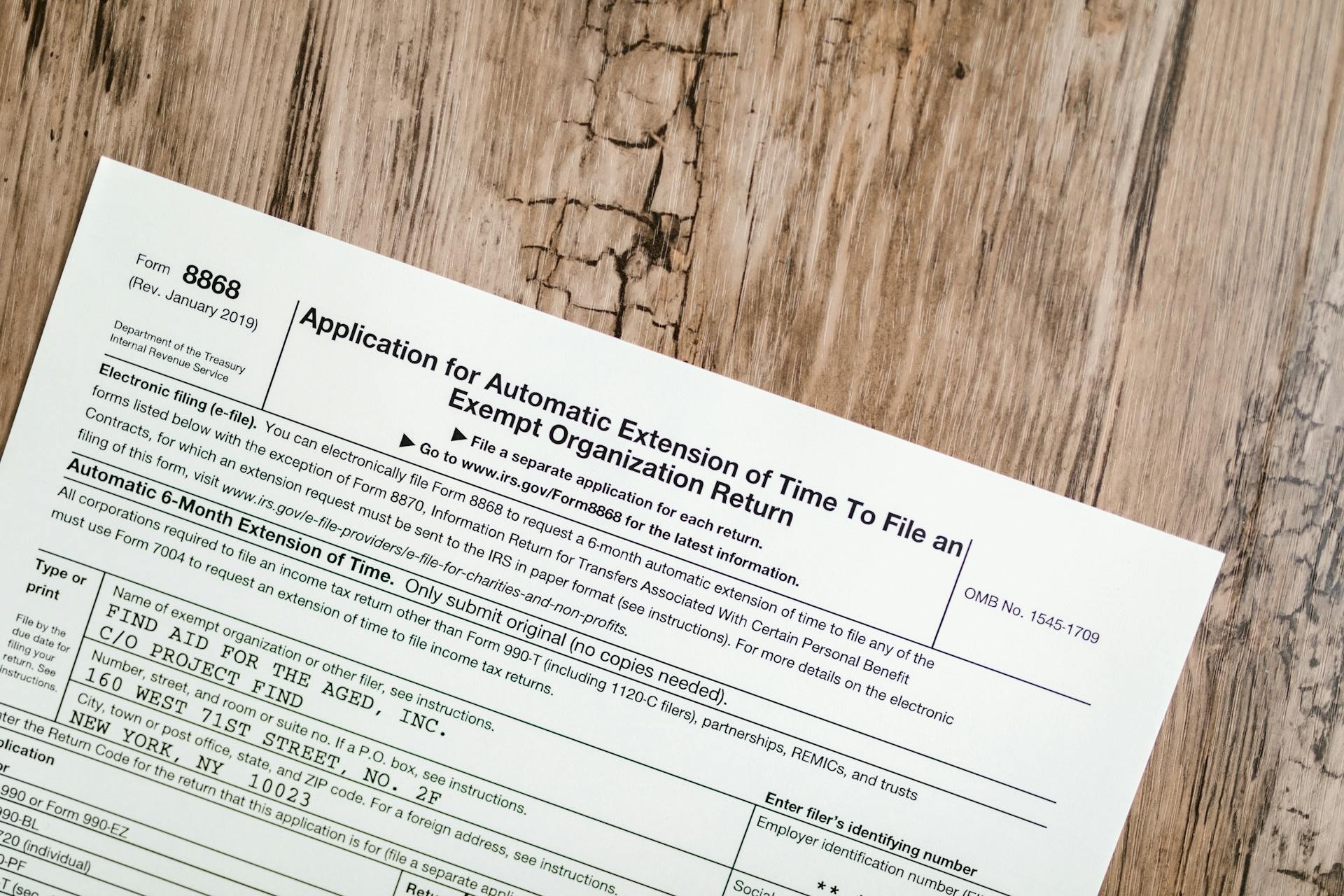
After formation and establishing your corporate entity, we help you prepare and file the appropriate IRS application—e.g. Form 1023, 1023-EZ, 1024, or 1024-A—based on classification and eligibility.
The organization is officially recognized as tax-exempt when it receives a determination letter from the IRS.
Because Jennifer is both an attorney and a CPA, our counsel also accounts for the tax and financial realities that can expose nonprofits to risk, particularly for private foundations, grantmaking entities, and organizations that are planning major fundraising or program expansion.
Risks of DIY
You can think of a charitable organization like a train that operates on two legal tracks at all times: the first track is your state’s nonprofit corporation law; the second is the applicable federal tax law.
The train (your NPO) must stay level on both tracks to receive and maintain tax-exempt status. Templates and quick-form filings can get an organization “formed,” but they often do not keep the nonprofit on stable ground.
The gaps show up later, for example:

A nonprofit has sparse bylaws
Such bylaws provide little guidance on how to address issues. The (innaccurate) reasoning behind sparse bylaws is that there will be a statute or law to fill in the gap.
No one knows who is responsible for certain duties
This can result in certain compliance requirements not being met. A common example is when everyone thinks someone else is filing the 990s, but 3 years go by and the nonprofit loses its tax-exempt status, all because no one was really charged with this task.
Public charity status is denied by the IRS
This can occur when the IRS determines the organization was not going to meet the public support test and instead classifies it as a private foundation
The most common DIY problem is not one major mistake; it is a series of small governance choices that create confusion, disagreements, and unnecessary risk.
Our firm helps you anticipate those issues and design a nonprofit built to weather financial, operational, and reputational challenges.
Frequently Asked Questions
How should I pick my first board members?
New York nonprofits generally must have at least three directors, and new organizations should identify directors who are independent of each other, with few exceptions. We help founders think through what independence looks like for their particular organization and how to structure board roles early.
What needs to be in our charitable purpose statement?
A charitable purpose typically states the charitable goal, who benefits, and how activities will be carried out. It is often only about two sentences. The key is to draft it accurately so it supports both state filings and the IRS application narrative.
Why do bylaws matter if we are small and founder-led?
The bylaws are the governing rules even when the organization is small. They guide the board’s decision-making and define authority. They are also commonly reviewed by third parties such as landlords and financial institutions.
Good bylaws create stability as the organization grows.
What are some common bylaw mistakes?
Do we need policies beyond bylaws?
Yes. New York requires a conflict of interest policy, and the IRS also recommends a conflict of interest policy.
Depending on your activities, we may advise additional policies, for example: external communications review, grant policies, financial controls, and other procedures that help the organization operate consistently.
Contact Abelaj Law, PC
If you would like assistance starting a New York or New Jersey nonprofit, selecting an appropriate tax-exempt structure, drafting or updating bylaws and governance policies, or advising your board through a period of growth or transition, we invite you to request a consultation.
We look forward to hearing more about your mission.
Or call us at: 212-328-9568